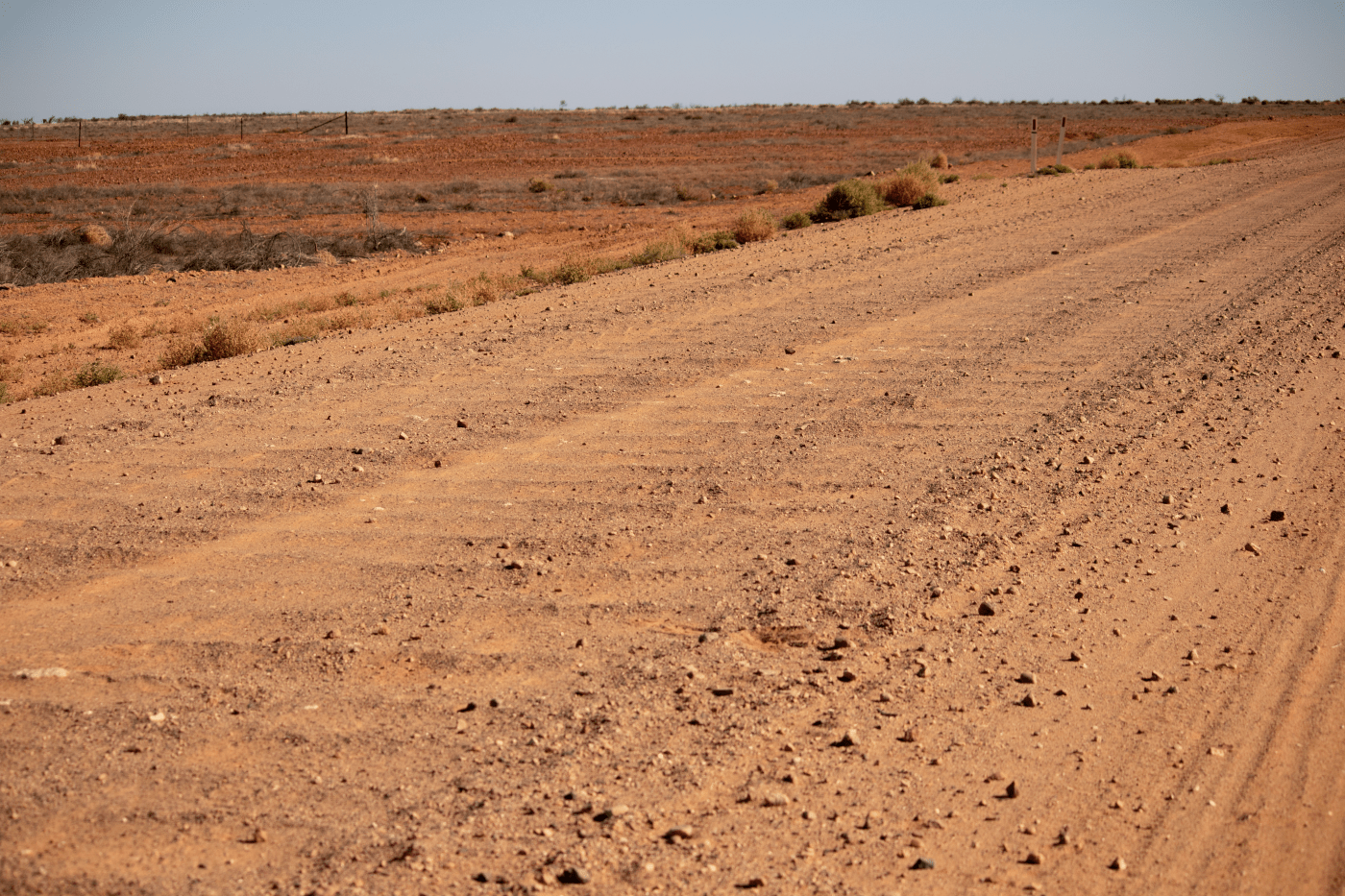
The outback was calling me. Silence and solitude. The peace that my soul had been asking for so many months ago.
Two weeks floating around the Flinders Ranges gave me a gentle easing into the emptiness of wild Australia. My dear friend Kel met me at Aroona Campground and we traversed the gorgeous gorges and played with Yellow Footed Rock Wallabies. The land offered an inhospitable beauty that somehow life had adapted to. Towering yellow/red cliff faces of seemingly precision cut stone, majestic River Red Gums twisting their way up from the earth, comically clumsy emus stomping their way around, and goats bleating their social faux pas’ from treacherous rocky inclines.
Given this expansive wild place, the area was quite busy. Classic throes of four wheel drives and fancy caravans toured the countryside and I found it hard to find a camp sans people. Finally, by travelling a remote road near the township of Blinman I came across something uninhabited. I stayed a few nights facing a cresent gorge towering at least ten of my vans stacked on top of each other.
This stone was an expression in linear design, monolithic square cuts made the scene feel intentional, like an ancient race had meticulously sculpted the environment. And yet, this was a wild place, the chaos of nature had created order over millions of years of matter, energy, and pressure. I walked the absent hills in awe.
I have begun to practice offerings to the land everywhere I go. This such time was a Despacho offering, where I place tobacco, incense, seeds, herbs and prayers in a fold of paper and either burn or bury. On dusk, I lit a fire under the towering gorge wall and sat with my ceremonial offering to the land. My kangaroo skin drum beating rhythms to the echoing reply of the valley, and my voice speaking and singing to the spirits of this land. The package placed carefully in the fire in gesture of gratitude for a world that gives so much.
A few days later, I made preparations to embark on the Oodnadatta Track.
The Oodnadatta is six hundred and twenty kilometers of unsealed, dusty, desert track that passes the southern and western most parts of Lake Eyre, goes north, then turns west to finally reach the Sturt Highway bitumen of Marla. The research I did online told me that four-wheel drive vehicles are recommended. I felt a little nervous bringing the four tonne highway loving Mercedes Sprinter but my curiosity and desire for remote regions overcame this feeling. I asked around for advice.
Most of the locals told me ‘no problem, just take it slow, and have two spare tyres’. I felt empowered by this encouragement but only had room for one spare. I settled for a tyre repair kit instead and went about stocking up on fuel, food, and water. The van could carry 130 litres of drinking and sink water, 80 litres of shower water, 95 total litres of fuel (which would get me almost 900 kilometres of travel), and a fridge and freezer full of food. I felt I could go anywhere.
I stopped in Maree, the southernmost part of the track, topped up my fuel (for a king’s ransom), deflated the tyres to almost half their normal capacity, and trundled down the last asphalt I would see in some time.
Discover more from Life on four wheels
Subscribe to get the latest posts sent to your email.

Leave a comment